Showcasing Our Engineering Projects in Water Sustainability

Water is one of our planet's most precious resources, yet it is often taken for granted. As the global population continues to grow, the demand for clean water increases, leading to significant challenges in water sustainability. At [Your Company Name], we are committed to addressing these challenges through innovative engineering projects that promote sustainable water management. In this blog post, we will showcase some of our key initiatives and highlight the impact they have on communities and the environment.
Understanding Water Sustainability
Water sustainability refers to the management of water resources in a way that meets current needs without compromising the ability of future generations to meet their own needs. This involves:
Conservation: Reducing water waste and promoting efficient use.
Quality: Ensuring that water is clean and safe for consumption.
Access: Providing equitable access to water for all communities.
By focusing on these three pillars, we can create a more sustainable future for our planet.
Our Approach to Water Sustainability
At [Your Company Name], we believe that engineering plays a crucial role in achieving water sustainability. Our approach involves:
Innovative Design: We create cutting-edge solutions that address specific water challenges.
Community Engagement: We work closely with local communities to understand their needs and involve them in the decision-making process.
Sustainable Practices: We prioritize environmentally friendly materials and methods in our projects.
Innovative Design
One of our flagship projects is the development of a rainwater harvesting system for urban areas. This system collects rainwater from rooftops and stores it for later use, significantly reducing the demand on municipal water supplies.
Case Study: Urban Rainwater Harvesting
In a recent project in [City Name], we installed a rainwater harvesting system in a community center. The system has the capacity to collect over 10,000 liters of water during peak rainy seasons. This water is then used for irrigation and toilet flushing, leading to a 30% reduction in the center's overall water consumption.
Community Engagement
We understand that successful water sustainability projects require the support and involvement of the communities they serve. Our team conducts workshops and informational sessions to educate residents about the importance of water conservation and how they can contribute.
Example: Community Workshops
In [Community Name], we held a series of workshops that taught residents how to implement water-saving techniques in their homes. Participants learned about:
Fixing leaks
Installing low-flow fixtures
Creating rain gardens
As a result, the community reported a 20% decrease in household water usage within six months.
Sustainable Practices
Sustainability is at the core of our engineering projects. We strive to use materials and methods that minimize environmental impact. For instance, we incorporate recycled materials in our construction processes and utilize solar energy to power our facilities.
Highlight: Solar-Powered Water Treatment Plant
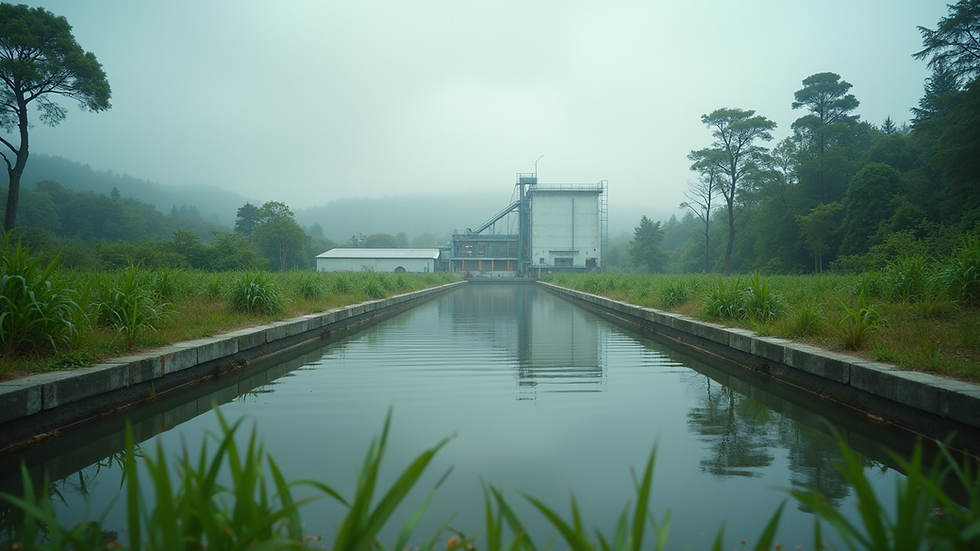
Our solar-powered water treatment plant in [Location] is a prime example of sustainable engineering. This facility uses solar panels to generate electricity, reducing its carbon footprint by 40% compared to traditional plants. Additionally, the plant treats and distributes clean water to over 5,000 residents, ensuring access to safe drinking water.
Challenges in Water Sustainability
Despite our successes, we face several challenges in promoting water sustainability. These include:
Climate Change: Altered weather patterns can lead to droughts or floods, impacting water availability.
Infrastructure: Aging water infrastructure can lead to leaks and inefficiencies.
Funding: Securing funding for sustainable projects can be difficult, especially in underserved communities.
Addressing Climate Change
To combat the effects of climate change, we are developing adaptive strategies that enhance resilience in water systems. For example, we are designing flexible water management plans that can adjust to changing weather patterns.
Upgrading Infrastructure
We advocate for the modernization of water infrastructure to reduce leaks and improve efficiency. Our team is working on projects that replace old pipes with more durable materials, which can significantly decrease water loss.
Securing Funding
To overcome funding challenges, we collaborate with governmental and non-governmental organizations to secure grants and financial support for our projects. This allows us to implement sustainable solutions in communities that need them most.
Future Projects in Water Sustainability
Looking ahead, we have several exciting projects in the pipeline that aim to further enhance water sustainability.
Project: Smart Water Management Systems
We are developing smart water management systems that utilize IoT technology to monitor water usage in real-time. These systems will help identify leaks and inefficiencies, allowing for prompt repairs and conservation efforts.
Project: Desalination Innovations
In coastal areas, we are exploring innovative desalination techniques that make seawater safe for drinking. By using renewable energy sources, we aim to reduce the environmental impact of desalination processes.
Project: Community-Based Water Solutions
We plan to launch community-based projects that empower residents to take charge of their water resources. These initiatives will include training programs on sustainable water practices and the establishment of local water committees.
Conclusion
Water sustainability is a critical issue that requires immediate attention and action. At [Your Company Name], we are dedicated to developing innovative engineering solutions that promote sustainable water management. Through our projects, we aim to create a positive impact on communities and the environment.
As we move forward, we invite you to join us in our mission. Whether through supporting local initiatives, advocating for sustainable practices, or simply being mindful of your water usage, every action counts. Together, we can ensure a sustainable water future for generations to come.


Comments